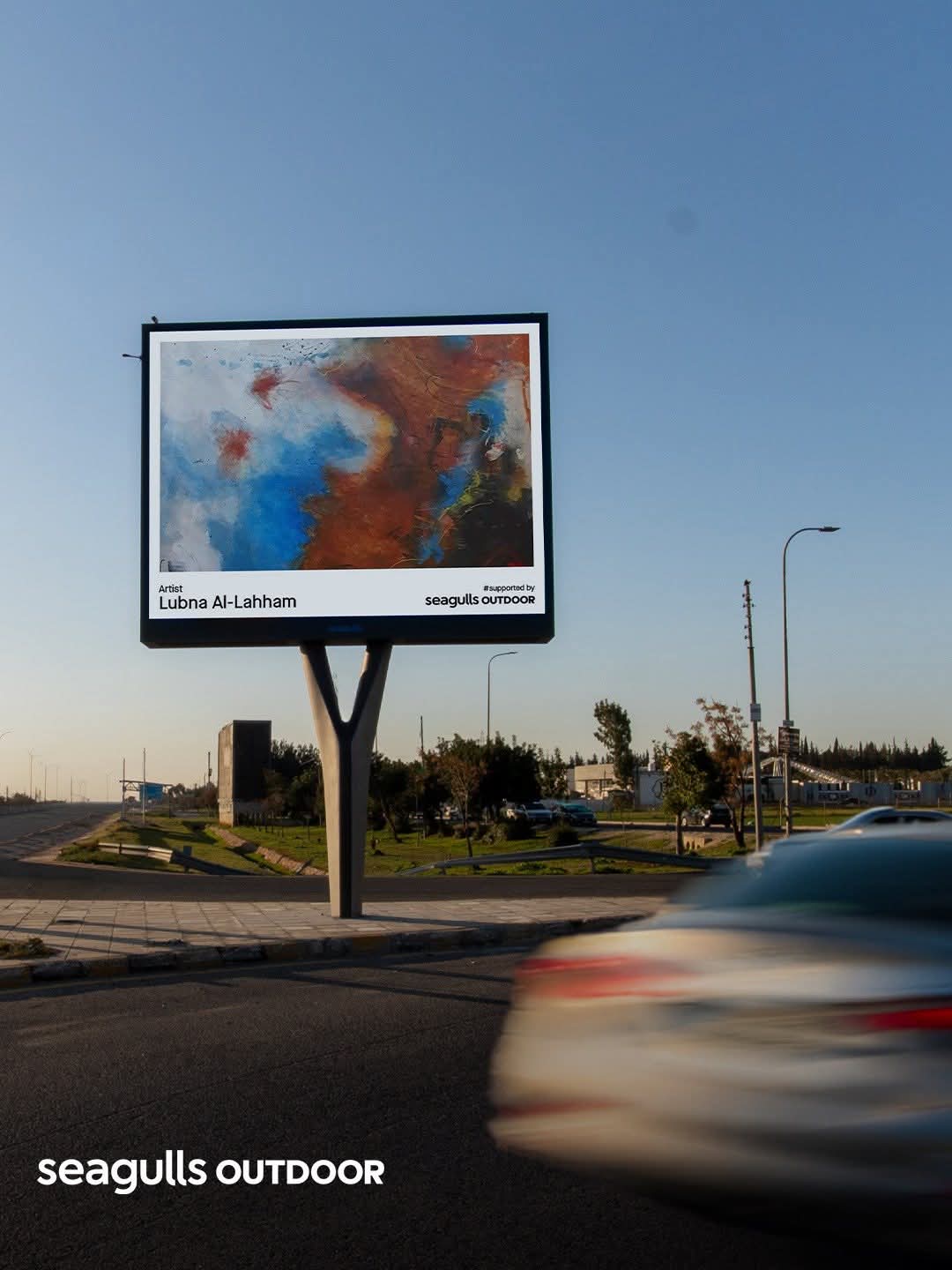
Art, to me, has never been a puzzle to solve. I don’t see it as scattered pieces we try to assemble in order to reach one clear, final meaning. It feels more like a space… a space to be experienced. We might feel something within it, or we might pass through it without anything staying with us—and that, in itself, is natural. Not every artwork needs to be clear, and not every experience needs to be understood.
At one of my exhibitions, many people stood in front of my works and asked me: What do these paintings mean? We don’t understand it. The question came up so often, as if an answer was expected, as if I was supposed to offer something definite. But I didn’t have a single answer. I would simply ask them: What did you feel?
Some spoke about a sense of calm, others saw the earth, the sand, and even mentioned Wadi Mujib specifically. And that was striking to me, because these works were in fact inspired by that place—its sand and the colors of its valleys. But what mattered to me wasn’t that they reached the “correct” idea; what mattered was that they allowed themselves the space to feel, without the pressure to understand.
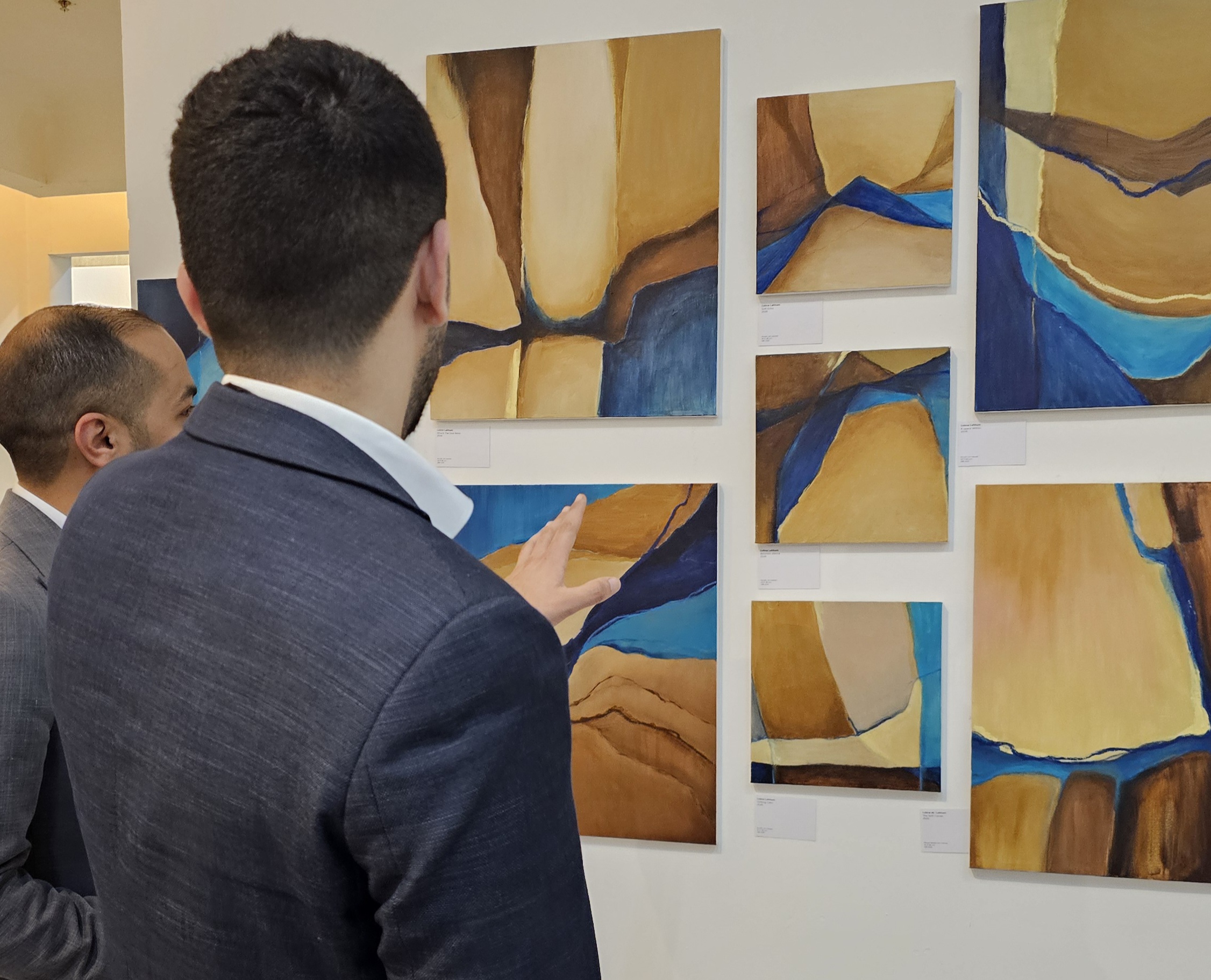
At ArtMatters Art Fair, Amman
Perhaps we are simply used to understanding everything. We are conditioned to look for explanations, for clarity, for direct meaning. Understanding gives us comfort, while ambiguity creates a quiet kind of tension. So when we stand in front of an artwork that isn’t immediately clear, we rush to interpret it, as if it were something to be solved. But what if there is nothing to solve in the first place?
I believe there is a difference between understanding a work and feeling it. Some works are felt instantly, before any words are spoken. Others remain ambiguous, yet still leave an impact. And sometimes, the more we try to explain an artwork, the more its effect fades. As if explanation closes all possibilities, turning an open experience into a single, fixed meaning.
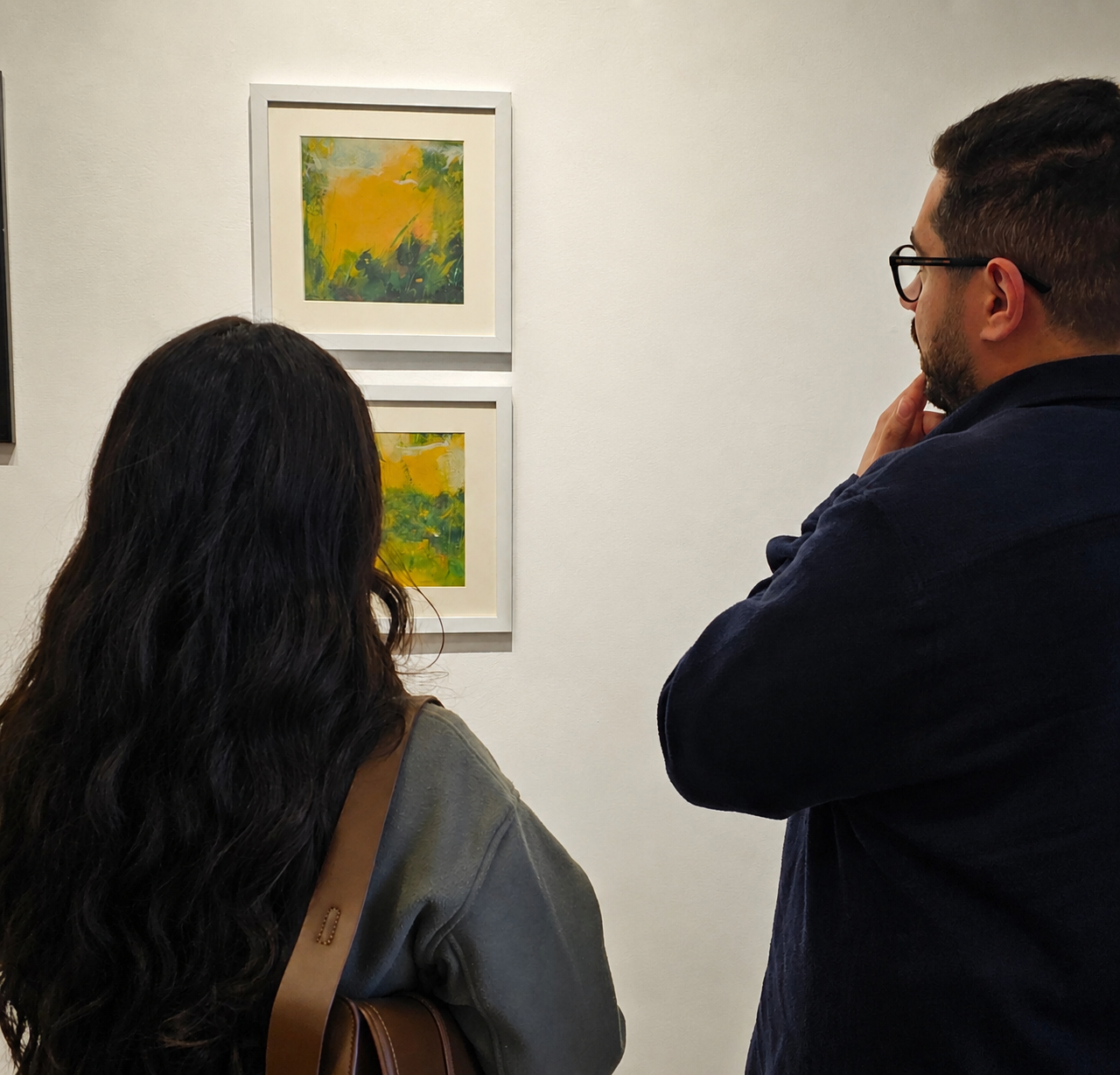
At Q0de art space, Amman
Ambiguity, to me, is not a flaw. It is part of the value of the work. It opens space for the viewer to participate, to see, and to feel in their own way. Each person may experience something different, and that does not diminish the work—it expands it.
But at the same time, ambiguity is not randomness. There is a clear difference between a work that holds depth without being literal, and one that is simply empty, without feeling or intention.
What weighs on me at times is the expectation to explain my work. It feels as if I am being asked to define how others should see and what they should feel—as if I am, unintentionally, closing a door that could have remained open. I don’t deliberately aim for ambiguity, but I also don’t try to eliminate it.
Some works insist on appearing this way, and I prefer to let them exist as they are, even if they are not entirely clear to me.
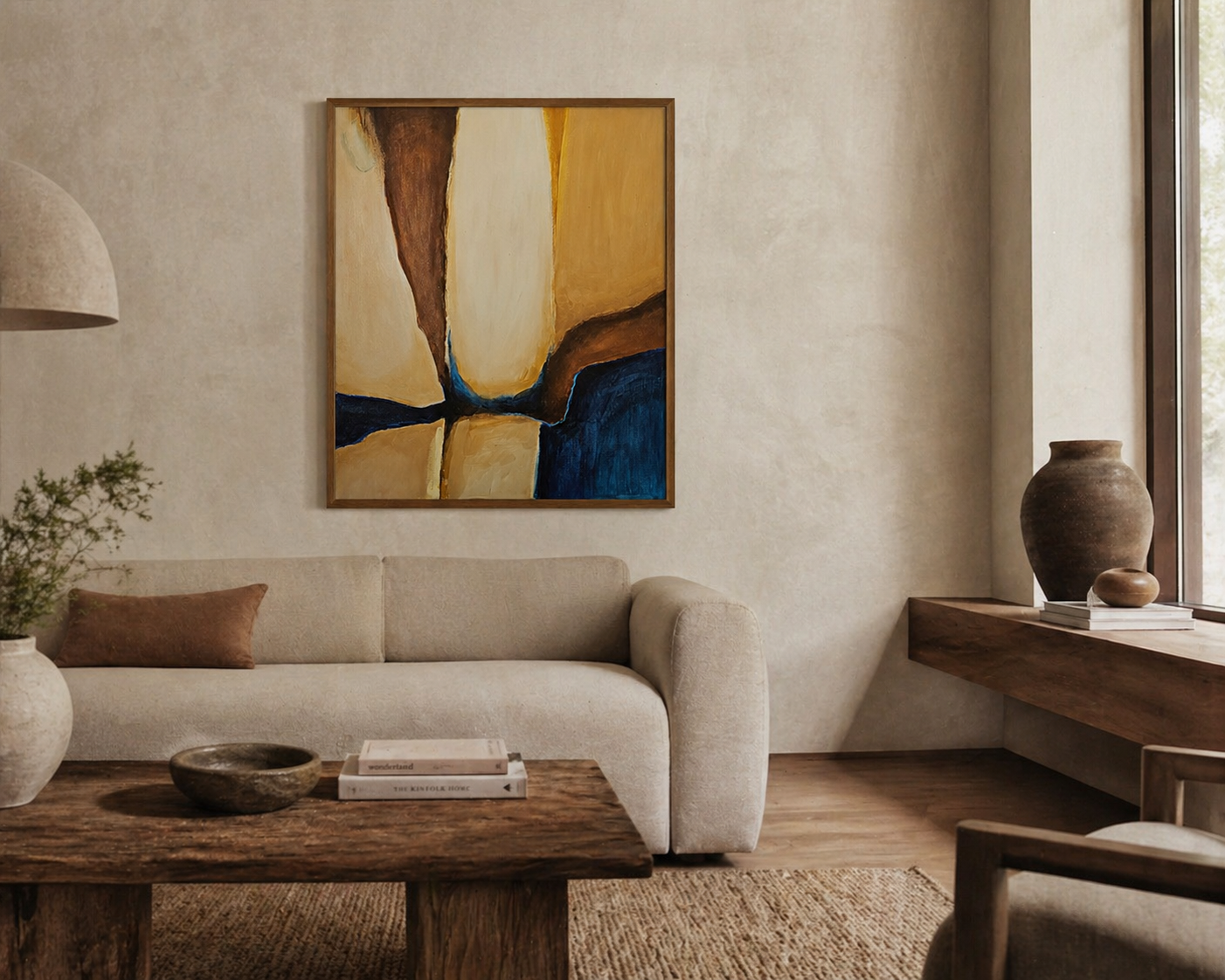
Even while painting, not everything is clear. Some things reveal themselves later, while others remain unresolved. There are works that bring me a sense of ease, and others that carry a quiet tension I cannot fully explain. And I feel that all of this can reach the viewer—if they allow themselves to feel, not only to understand.
Perhaps the role of the viewer is simpler than we think. They don’t have to understand, and they don’t have to feel what I felt. Maybe all they need is to pause for a moment, and give the work the space to speak to them in its own way.
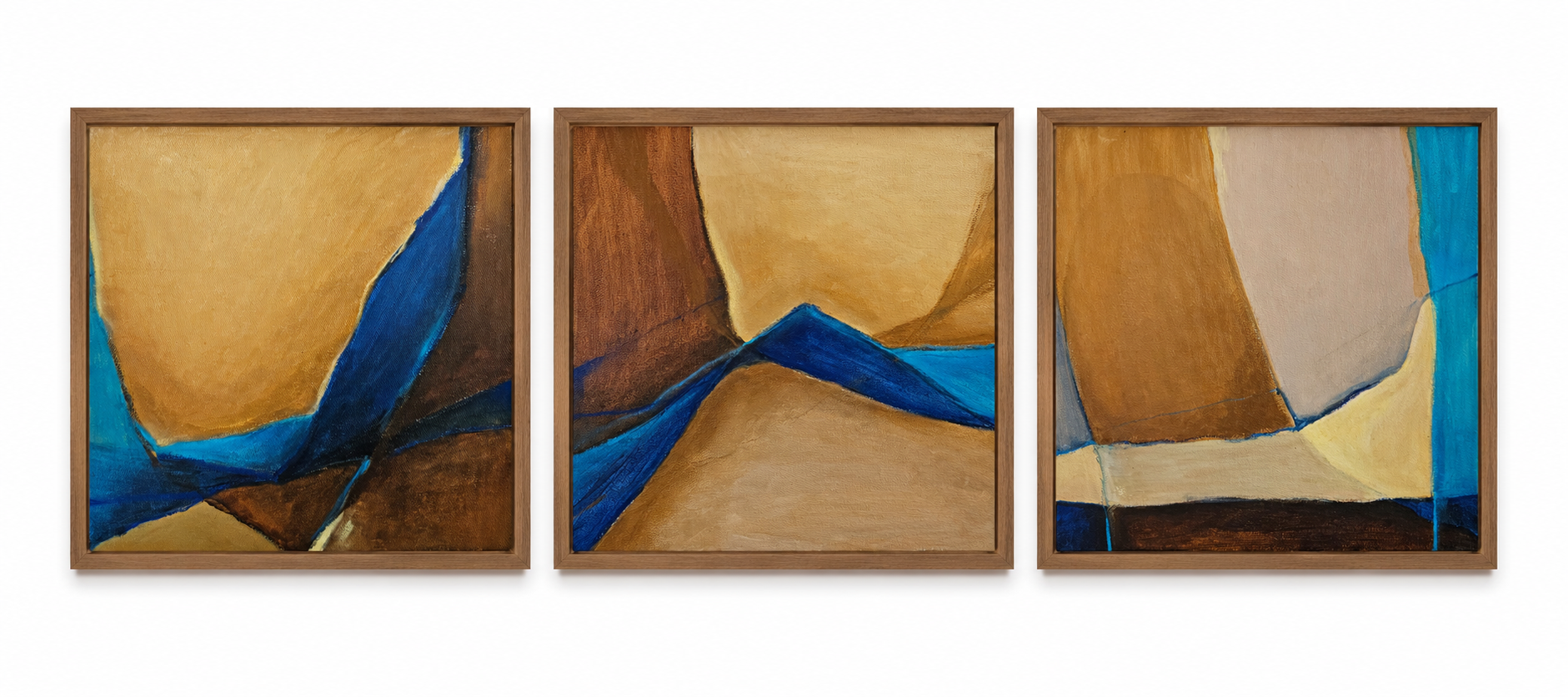
Maybe there is no “right” way to look at art.
Maybe the only thing we need to do in front of it
is to be silent for a moment… and let it speak.
Artworks appeared in the article from ArtMatters Mena Art Fair -"Wadi AlMujib" collection
And two artworks from "On Paper" Exhibition at Q0de Art Space.