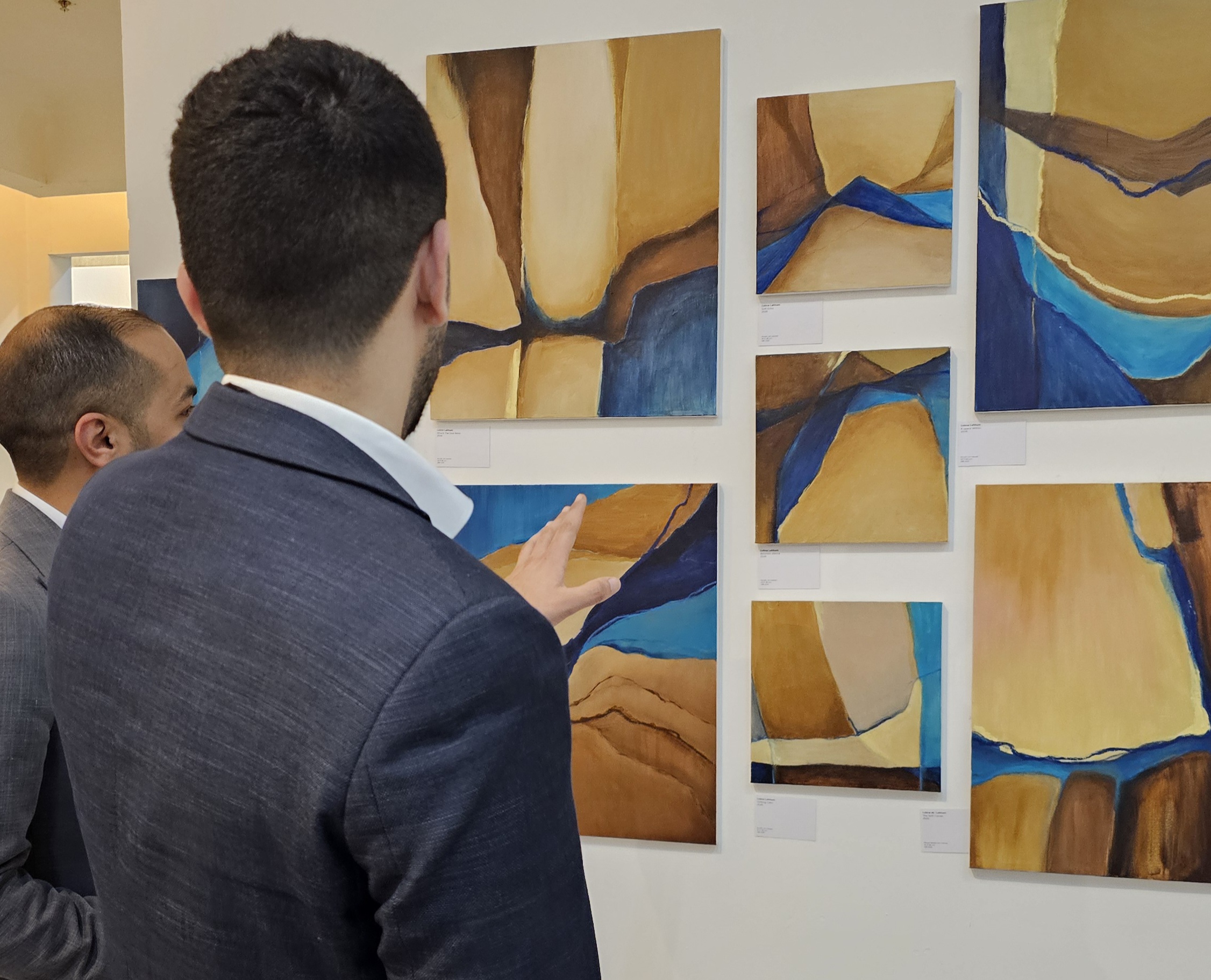
هل يعيد الفن تشكيل الفنان؟
English Version below
هناك نقاشات لا تنتهي بانتهاء الجلسة، بل تبدأ بعدها.
من تلك الجلسات التي أسميها أنا وصديقتي الفنانة يمان أبازيد "جلسات العصف الذهني"، خرج سؤال ظل يرافقني لفترة طويلة. لم يكن حديثنا عن الألوان، أو المعارض، أو تقنيات الرسم، بل عن شيء أكثر قربًا منا: عن أنفسنا.
عن الأشخاص الذين أصبحناهم بعد سنوات طويلة قضيناها أمام اللوحات.
غالبًا عندما نتحدث عن الفن، نركز على النتيجة النهائية؛ لوحة معلقة على جدار، عمل يثير إعجاب المشاهد، أو فكرة وصلت بطريقة بصرية. لكننا نادرًا ما نتوقف عند الرحلة التي تحدث خلف هذه اللوحة، وعند الطريقة التي تعيد بها هذه الرحلة تشكيل الشخص الذي يقف أمام القماش.
فالفنان لا يقضي سنواته في تدريب يده فقط، بل يدرب عينيه، وعقله، وطريقة نظره إلى العالم.
خلال حديثنا، بدأت يمان تتأمل تجربتها مع الرسم الواقعي؛ ذلك العالم الذي يعتمد على التفاصيل الدقيقة، والملاحظة المستمرة، والصبر الطويل. قالت إنها لاحظت مع مرور الوقت أنها أصبحت أكثر انتباهًا للتفاصيل في حياتها اليومية، وأكثر قدرة على ملاحظة الأشياء الصغيرة التي ربما لم تكن تراها سابقًا. كما أصبحت أكثر صبرًا وهدوءًا في تعاملها مع الآخرين، وأكثر قدرة على تقبل النقاشات والمواقف التي كانت في السابق تستنزف طاقتها بسرعة.
أما أنا، وبعد سنوات من العمل في الفن التجريدي، بدأت ألاحظ تحولًا مختلفًا في طريقة تفكيري. أصبحت أميل أكثر إلى اختزال الأمور، والبحث عن الجوهر بدل الغرق في التفاصيل. أصبحت أتعامل مع المواقف المعقدة كما أتعامل مع اللوحة: أحاول أن أرى ما هو ضروري، وما الذي يمكن الاستغناء عنه، وما الفكرة الأساسية خلف كل شيء.
حتى في تعاملي مع الأشخاص، أصبحت أكثر ميلًا إلى الفهم والتحليل بدل الحكم السريع. أحاول أن أفكك الشخصيات والمواقف، وأبحث عن الأسباب التي تقف خلف التصرفات، وكأنني أزيل الطبقات واحدة تلو الأخرى للوصول إلى الجزء الأعمق.
وهنا ظهر السؤال:
هل كانت هذه الصفات موجودة فينا أصلًا، ولذلك اخترنا هذه الأساليب الفنية؟ أم أن سنوات الممارسة الفنية هي التي أعادت تشكيل طريقة تفكيرنا؟
ربما تكون الإجابة ليست أحد الخيارين فقط.
ربما ننجذب في البداية إلى أسلوب فني لأنه يشبه شيئًا موجودًا داخلنا؛ طريقة تفكيرنا، حساسيتنا تجاه العالم، أو الطريقة التي نرى بها الأشياء. لكن مع مرور السنوات، يحدث شيء آخر: الأسلوب الذي اخترناه يبدأ بدوره بالتأثير علينا.
نحن لا نمارس الفن فقط، بل نتدرب من خلاله على طريقة معينة في رؤية الحياة.
تشير الأبحاث إلى أن شخصياتنا تؤثر في نوع الإبداع الذي نمارسه. فغالبًا ما ننجذب إلى الطرق والأساليب التي تتوافق مع طبيعتنا الداخلية. لكن السؤال الآخر، الذي بدأنا أنا ويمان بالتفكير فيه، هو: هل يمكن أن تعود الممارسة الفنية نفسها، وبعد آلاف الساعات من التكرار والتأمل، لتؤثر في شخصياتنا وطريقة إدراكنا للعالم؟
يشير عالم النفس ماتياس باس (Matthijs Baas) وزملاؤه في نموذج "المسارين إلى الإبداع" (Dual Pathway to Creativity Model) إلى أن الإبداع لا يسير في طريق واحد، بل يمكن أن ينشأ من مسارين مختلفين: المرونة المعرفية والمثابرة المعرفية.
المرونة المعرفية تعني القدرة على رؤية الاحتمالات المختلفة، وربط الأفكار ببعضها، والنظر إلى الأشياء من زوايا جديدة.
أما المثابرة المعرفية فتعني القدرة على التركيز العميق، والاستمرار في العمل على فكرة واحدة، وتطويرها تدريجيًا حتى الوصول إلى نتيجة مبتكرة.
عندما قرأت عن هذا النموذج، وجدت نفسي أعود إلى حديثي مع يمان.
فربما تكون بعض الأساليب الفنية تدريبًا مستمرًا للعقل على إحدى هذه الطرق.
الفنان الذي يقضي آلاف الساعات في البحث عن أدق التفاصيل، وملاحظة الفروقات الصغيرة، وإعادة العمل على العنصر نفسه مرات عديدة، قد يطور نوعًا من الصبر والانتباه يمتد إلى حياته خارج المرسم.
والفنان الذي يقضي سنوات في حذف التفاصيل، والبحث عن المعنى خلف الشكل، واختزال العناصر للوصول إلى جوهر الفكرة، قد يطور قدرة أكبر على رؤية الأشياء بطريقة أبسط وأكثر عمقًا.
بالطبع، هذا لا يعني أن كل فنان واقعي سيكون شخصًا صبورًا، أو أن كل فنان تجريدي سيكون شخصًا يميل إلى الاختزال. فالإنسان أكثر تعقيدًا من أن تحدده مدرسة فنية واحدة.
لكن ربما تكمن الفكرة في أن ما نكرره باستمرار لا يبقى مجرد مهارة نمتلكها، بل يصبح طريقة نفكر بها.
وهذا الأمر لا يقتصر على الفنانين فقط.
فالإنسان بشكل عام يصبح أكثر شبهًا بالأشياء التي يمارسها يوميًا.
الشخص الذي يمارس الاستماع لفترات طويلة قد يصبح أكثر قدرة على فهم الآخرين.
الشخص الذي يعمل باستمرار على حل المشكلات قد يصبح أكثر قدرة على رؤية الحلول بدل التركيز على العقبات.
الشخص الذي يتدرب على التعبير عن أفكاره قد يصبح أكثر وضوحًا في التواصل مع من حوله.
نحن لا نتشكل فقط من الأحداث الكبيرة التي تحدث في حياتنا، بل أيضًا من الممارسات الصغيرة التي نكررها كل يوم.
وربما لهذا السبب أشعر أن الفن يشبه العمارة بطريقة ما. فنحن لا نبني المساحات فقط، بل المساحات أيضًا تعيد تشكيل طريقة عيشنا داخلها. وكما يؤثر المكان في الإنسان، ربما تؤثر الممارسة الفنية في الفنان.
منذ ذلك الحديث مع يمان، بدأت أنظر إلى الفنانين بطريقة مختلفة. لم أعد أرى اللوحات فقط، بل بدأت أتساءل:
ماذا فعلت هذه اللوحات بأصحابها؟
كيف غيرتهم؟
أم ربما... كيف كشفتهم؟
لا أعرف إن كنا نختار أساليبنا الفنية لأنها تشبهنا، أم أننا نصبح أكثر شبهًا بها بعد سنوات من ممارستها.
لكنني أصبحت أؤمن أن الفنان لا يترك أثره على اللوحة وحدها...
فاللوحة أيضًا تترك أثرها على الفنان.
English Version
Does Art Shape the Artist?
There are conversations that do not end when the discussion ends; instead, they continue within us.
During one of the conversations I often call "collective brainstorming sessions" with my artist friend Yaman AbaZeed, we found ourselves discussing something we had never consciously noticed before. Our conversation was not about colors, exhibitions, or painting techniques. It was about something much closer to us: ourselves.
About the people we have become after years spent standing in front of our canvases.
When we talk about art, we often focus on the final result: a painting hanging on a wall, a work that captures the viewer’s attention, or an idea expressed visually. But we rarely stop to consider the long journey behind the artwork, and the way this journey reshapes the person who creates it.
An artist does not spend years training only their hands. They train their eyes, their minds, and their way of seeing the world.
During our conversation, Yaman reflected on her experience with realistic painting; a world built on precise details, continuous observation, and endless patience. She realized that over time, she had become more attentive to details in her everyday life, more aware of the small things she might have overlooked before. She also became more patient and calmer in dealing with others, and more capable of accepting conversations and situations that once quickly drained her energy.
As for me, after years of working with abstraction, I began noticing a different transformation in the way I think. I became more inclined to simplify things, to search for the essence rather than becoming lost in details. I started approaching complex situations the same way I approach a painting: trying to understand what is essential, what can be removed, and what is the core idea behind everything.
Even in my relationships with people, I found myself becoming more interested in understanding rather than immediately judging. I try to analyze personalities and situations, looking beyond actions to understand what lies beneath them, almost as if I am removing layers to reach the deeper meaning.
And that led us to a question:
Were these qualities already part of who we were, and that is why we chose these artistic approaches? Or did years of artistic practice reshape the way we think?
Perhaps the answer is not one or the other.
Perhaps, in the beginning, we are naturally drawn to a certain artistic language because it reflects something within us: our way of thinking, our sensitivity toward the world, or the way we perceive things. But over time, something else happens: the style we choose begins to influence us in return.
We do not simply practice art; through art, we practice a certain way of seeing life.
Research suggests that our personalities influence the type of creativity we engage in. We are often naturally drawn to methods and artistic approaches that align with our inner way of thinking.
But during my conversation with Yaman, we began wondering about the opposite direction: Could artistic practice itself, after thousands of hours of repetition, observation, and reflection, eventually influence our personalities and the way we perceive the world?
Psychologist Matthijs Baas and his colleagues, through their Dual Pathway to Creativity Model, suggest that creativity does not follow a single path. Instead, it can emerge through two different routes: cognitive flexibility and cognitive persistence.
Cognitive flexibility refers to the ability to see multiple possibilities, connect different ideas, and look at things from new perspectives.
Cognitive persistence, on the other hand, refers to the ability to focus deeply, remain committed to one idea, and continuously develop it until reaching an innovative outcome.
When I came across this model, I found myself returning to my conversation with Yaman.
Perhaps some artistic practices are, in fact, continuous training for the mind in one of these ways.
An artist who spends thousands of hours searching for the smallest details, observing subtle differences, and repeatedly refining the same element may gradually develop a sense of patience and awareness that extends beyond the studio.
And an artist who spends years removing unnecessary details, searching for meaning beyond appearances, and reducing elements to reach the essence of an idea may develop a greater ability to see things with simplicity and depth.
Of course, this does not mean that every realistic artist will necessarily be more patient, or that every abstract artist will naturally be more inclined toward simplification. Human beings are far more complex than being defined by a single artistic style.
But perhaps the idea lies in this: what we repeatedly practice does not remain merely a skill we possess. It can become a way of thinking.
And this does not apply only to artists.
Human beings, in general, become shaped by the things they practice every day.
Someone who practices listening for years may become more capable of understanding others.
Someone who constantly works on solving problems may become better at seeing possibilities rather than focusing only on obstacles.
Someone who trains themselves to express ideas may become clearer in communicating with the world around them.
We are not shaped only by the major events that happen in our lives, but also by the small practices we repeat every day.
Perhaps this is why I feel that art has something in common with architecture. We do not only build spaces; spaces also shape the way we live within them. Just as environments influence people, artistic practice may influence the artist.
Since that conversation with Her, I have started looking at artists differently. I no longer see only the artworks they create; I find myself asking:
What did these paintings do to their creators?
How did they transform them?
Or perhaps… how did they reveal them?
I do not know whether we choose our artistic styles because they resemble us, or whether we become more like them after years of practicing them.
But I have come to believe that an artist does not leave their mark only on the artwork…
The artwork also leaves its mark on the artist.