A beautiful space is more than a collection of furniture, lighting, and decorative objects. While these elements contribute to comfort and functionality, art is often what gives a space its true character and soul.
المكان الجميل ليس مجرد مجموعة من قطع الأثاث والإضاءة والإكسسوارات المتناسقة. فرغم أهمية هذه العناصر في خلق مساحة مريحة وعملية، يبقى الفن غالبًا العنصر الذي يمنح المكان روحه الحقيقية.
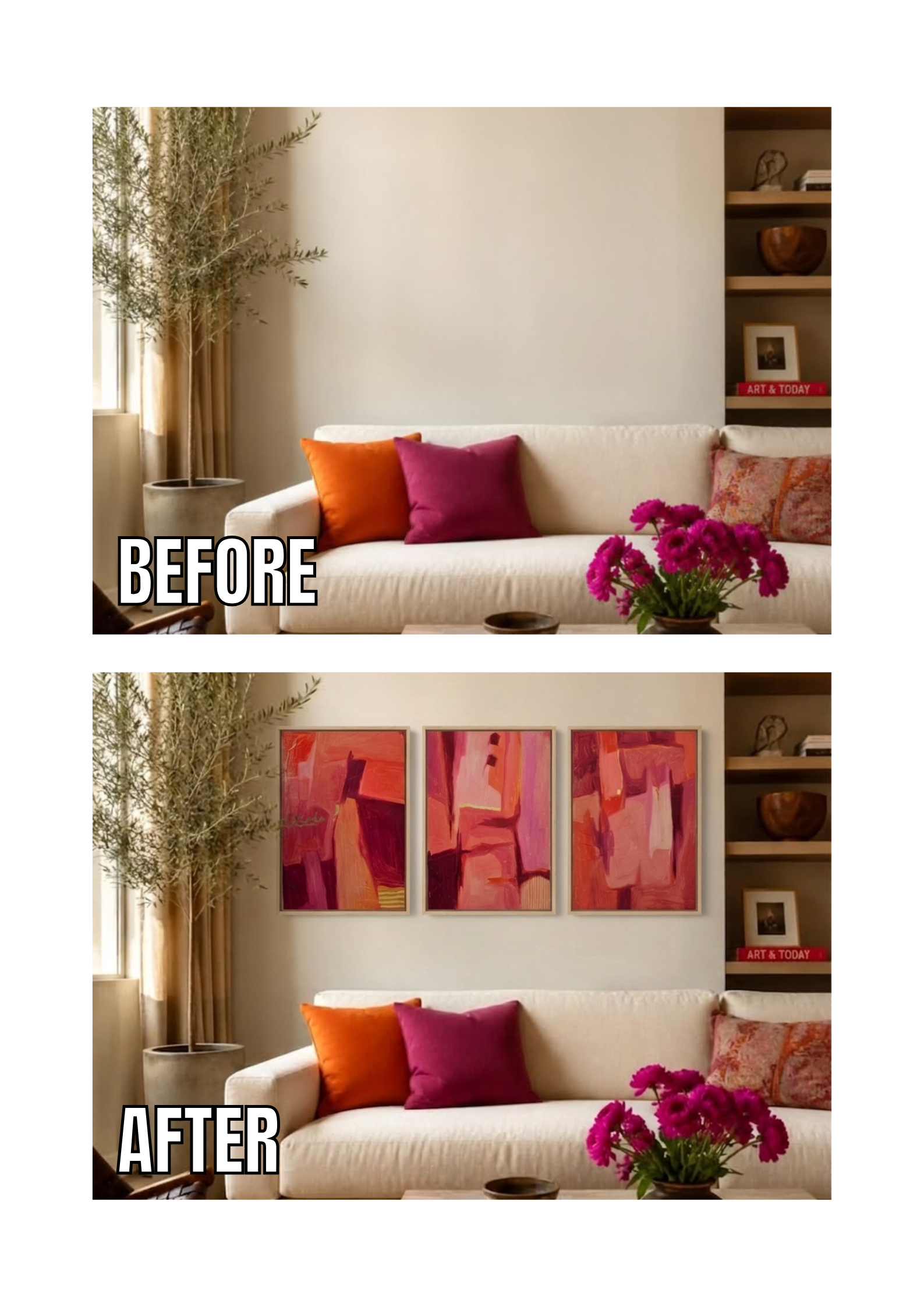
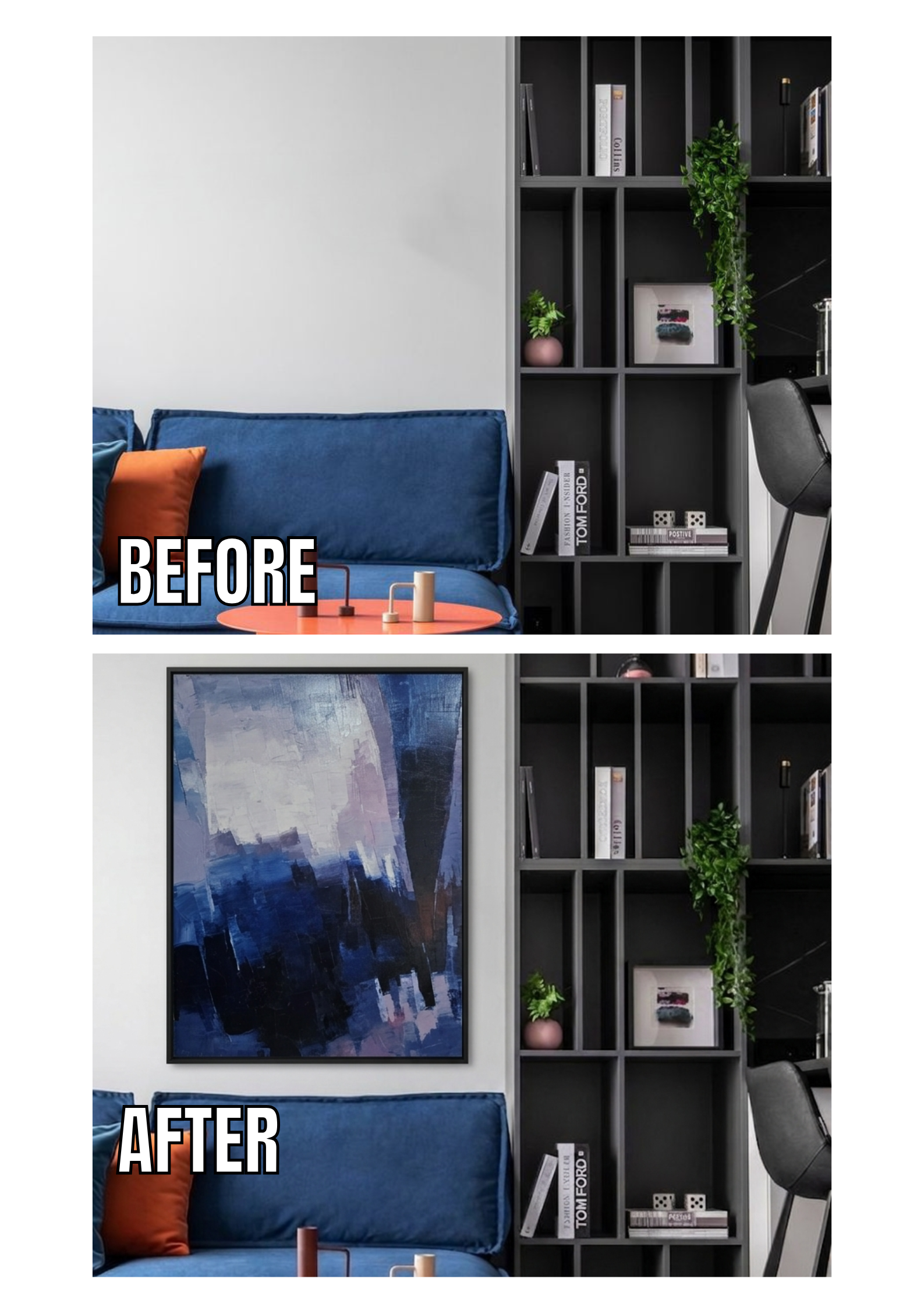
Artwork has the unique ability to transform interiors by adding personality, emotion, and visual depth. A blank wall may serve its purpose, but a carefully selected piece of art can create a focal point, shape the atmosphere of a room, and build a deeper connection between a space and the people who experience it.
للأعمال الفنية قدرة فريدة على تحويل المساحات من خلال إضافة الشخصية والمشاعر والعمق البصري. فالجدار الفارغ قد يؤدي وظيفته كجزء من المكان، لكن اللوحة المختارة بعناية تستطيع أن تخلق نقطة جذب بصرية، وتؤثر في أجواء الغرفة، وتبني علاقة أعمق بين المكان والأشخاص الذين يعيشون فيه أو يزورونه.
One of the most powerful qualities of art is its ability to tell a story.
Whether abstract or representational, artwork invites reflection and personal interpretation, creating emotional responses that differ from one viewer to another. This added layer of meaning is often what distinguishes a beautiful space from a memorable one.
ومن أكثر ما يميز الفن قدرته على سرد القصص. سواء كان العمل تجريديًا أو واقعيًا، فإنه يفتح المجال للتأمل والتفسير الشخصي، ويخلق استجابة عاطفية تختلف من شخص لآخر. وهذا المعنى الإضافي هو ما يجعل بعض المساحات جميلة، بينما يجعل أخرى لا تُنسى.
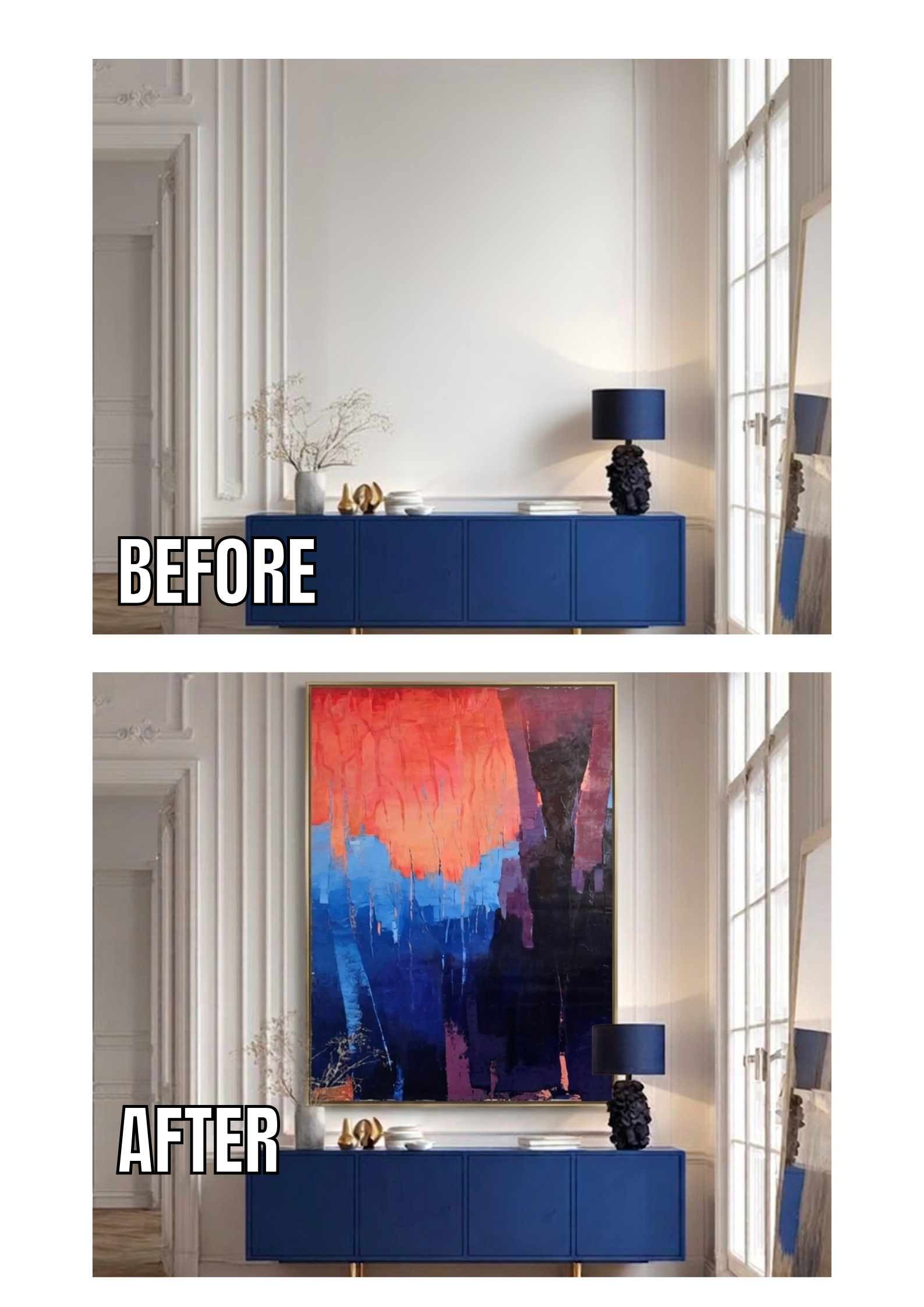
Color also plays a significant role in this transformation. Artwork can introduce new tones, strengthen an existing palette, or create contrast and balance that bring energy to a room. In many interiors, art becomes the element that ties all design components together.
كما يلعب اللون دورًا أساسيًا في هذه العملية. فالعمل الفني قد يضيف ألوانًا جديدة إلى الفراغ، أو يعزز لوحة الألوان الموجودة، أو يخلق توازنًا وتباينًا يمنحان المكان حيوية أكبر. وفي كثير من الأحيان تصبح اللوحة العنصر الذي يربط جميع مكونات التصميم ببعضها البعض.
Beyond aesthetics, art has a profound influence on how a space feels. Color, texture, movement, and composition all contribute to the emotional experience of an environment. Some artworks inspire calmness and contemplation, while others bring energy, vibrancy, and a strong visual presence. Choosing art is therefore not only about what looks beautiful, but also about how a space is meant to feel.
ولا يقتصر تأثير الفن على الشكل البصري فقط، بل يمتد إلى الشعور الذي يخلقه داخل المكان. فالألوان والملمس والحركة والتكوين البصري جميعها تؤثر في الطريقة التي نتفاعل بها مع المساحات من حولنا. بعض الأعمال الفنية تبعث إحساسًا بالهدوء والتأمل، بينما تضيف أعمال أخرى طاقة وحيوية وحضورًا قويًا. ولهذا فإن اختيار العمل الفني المناسب لا يتعلق فقط بما يبدو جميلًا، بل بما يجعل المكان يشعرنا به.
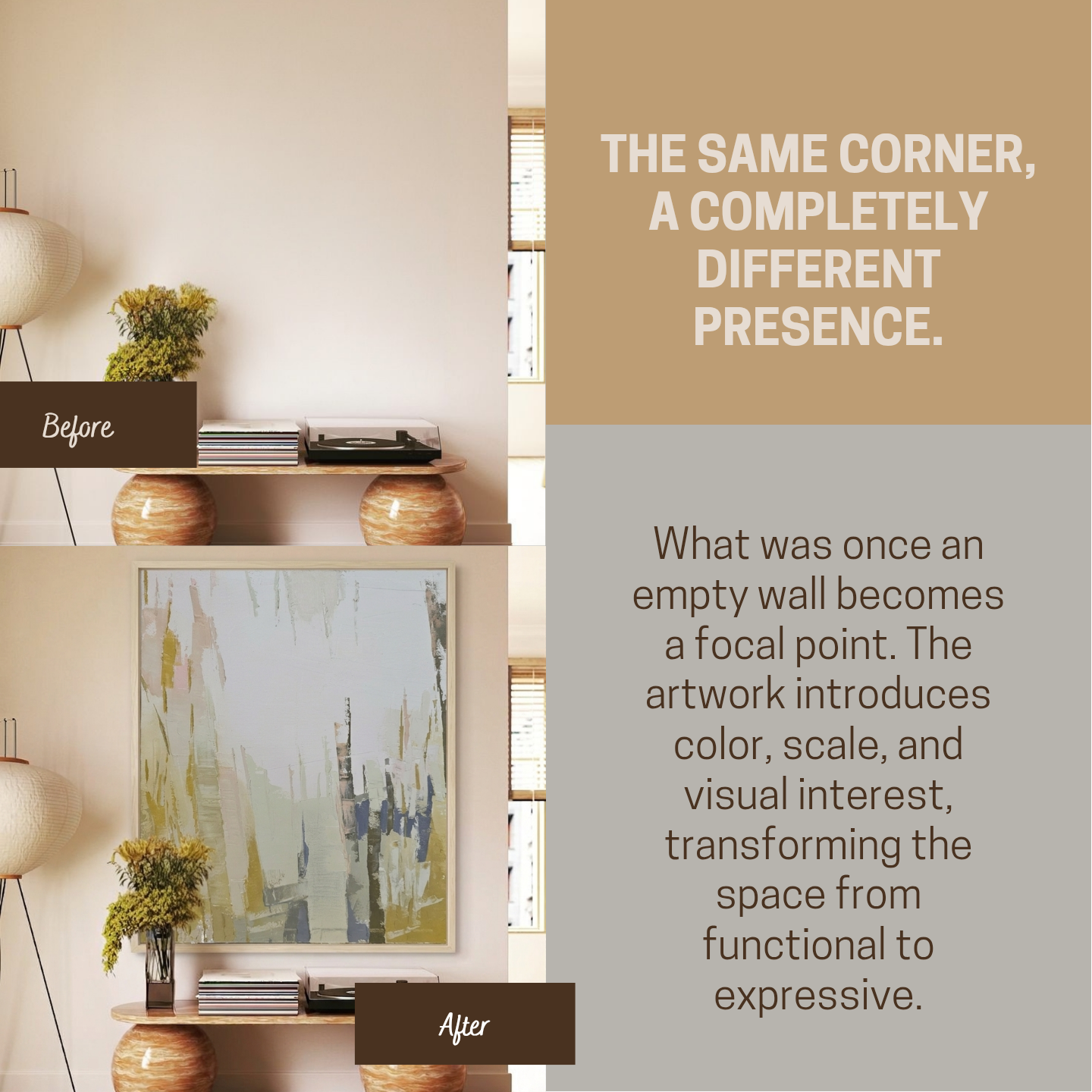
Art also helps define identity. Homes, hotels, offices, and public spaces often use artwork to communicate values, character, and atmosphere. The pieces chosen for a space reflect the people behind it and shape how visitors perceive and remember it.
كما يساهم الفن في تشكيل هوية المكان. فالمنازل والفنادق والمكاتب والمساحات العامة تستخدم الأعمال الفنية للتعبير عن شخصيتها وقيمها والأجواء التي ترغب في إيصالها. وغالبًا ما تعكس الأعمال المختارة ذوق أصحاب المكان وتؤثر في الطريقة التي يتفاعل بها الزوار معه.
This is one reason why certain interiors feel more refined and luxurious than others. While furniture and lighting provide comfort and structure, original artwork adds a level of individuality and authenticity that cannot be replicated. Art does not simply fill a wall—it gives a space its unique voice and creates a richer visual experience.
ولهذا السبب تبدو بعض المساحات أكثر تميزًا وفخامة من غيرها. فبينما يمكن للأثاث والإضاءة أن يوفرا الراحة والجمال، يضيف الفن طبقة من التفرد والأصالة لا يمكن تكرارها. العمل الفني الأصلي لا يملأ فراغًا فقط، بل يمنح المكان شخصية خاصة ويخلق تجربة بصرية وإنسانية أكثر عمقًا.
From another perspective, art can also be viewed as a long-term investment. Unlike many decorative elements that are replaced over time, artwork remains relevant both aesthetically and emotionally. In many cases, its value can grow with the years, becoming not only part of a space but also part of the memories and stories connected to it.
ومن منظور آخر، يعد الفن استثمارًا طويل الأمد. فعلى عكس العديد من عناصر الديكور التي تتغير أو تُستبدل مع مرور الوقت، يبقى العمل الفني حاضرًا بقيمته الجمالية والعاطفية، وقد تزداد قيمته مع السنوات. فهو لا يصبح جزءًا من المكان فحسب، بل جزءًا من الذكريات والقصص المرتبطة به.
For this reason, art should never be considered an afterthought in the design process. It is far more than a decorative addition. In many cases, it becomes the defining element that gives a space its identity and leaves the strongest lasting impression.
لهذا السبب لا ينبغي النظر إلى الفن باعتباره إضافة أخيرة في عملية التصميم، أو مجرد وسيلة لملء جدار فارغ. ففي كثير من الحالات يكون العمل الفني هو العنصر الذي يمنح المكان شخصيته ويترك الانطباع الأقوى في ذاكرة من يراه.
The difference between a space that feels unfinished and one that feels complete is not always another piece of furniture or a decorative accessory. Sometimes, it is a single work of art.
فالفرق بين مساحة تبدو غير مكتملة وأخرى تنبض بالحياة ليس دائمًا قطعة أثاث إضافية أو تفصيلًا ديكوريًا جديدًا. أحيانًا يكون هذا الفرق عملًا فنيًا واحدًا فقط.